Proudly serving Phoenix, Glendale, Peoria, Scottsdale, Tempe, Mesa & surrounding areasCall or Text 24/7: +1 (480) 520-3949

Concrete Driveway, Patio, and Foundation Installation Services in Avondale, AZ

Phoenix Concrete Co. provides concrete driveway installation, repair, resurfacing, and decorative finishing for residential and commercial properties in Avondale. We pour plain, stamped, and colored driveways as well as patios, parking areas, sidewalks, and related flatwork. Projects can include crack repair, bonded overlays, seal coating, or full replacement based on the slab's condition. Each scope is planned around West Valley soil, heat, drainage, and daily vehicle loads.

Avondale's caliche-heavy soil can trap moisture beneath a slab when excavation and grading do not address the hardened layer. Summer surface temperatures regularly exceed 140 degrees, so pour timing, joint placement, and curing methods matter. Short, intense monsoon rainfall can also pond against a poorly sloped driveway and undermine its base. We begin with a property walk to review grade, drainage, access, load requirements, and finish choices before work is priced.

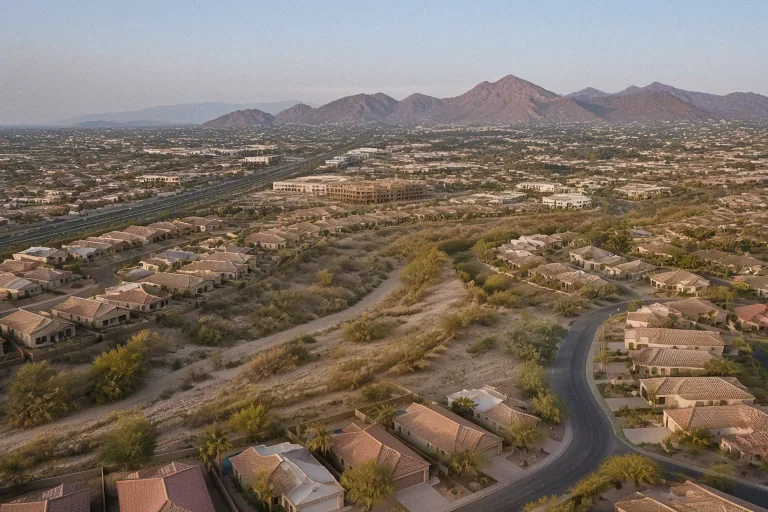
We work throughout Garden Lakes, Rancho Santa Fe, Coldwater Springs, Alamar, Crystal Ridge, the neighborhoods near Phoenix Raceway, and communities across the West Valley. Avondale grew from 35,883 residents in 2000 to 89,334 in the 2020 census, creating demand from both newer subdivisions and concrete installed during the early-2000s building boom. Call to arrange a site visit and receive a written project estimate.

5-star rating4.9/5 Average Rating - 20+ Years of Experience - Avondale Concrete Contractor Specialists - Residential & Commercial
Driveways & Flatwork

Concrete Work Across Avondale, AZ

Service extends from McDowell Road and downtown Avondale to MC 85, Phoenix Raceway, and nearby Goodyear, Litchfield Park, Tolleson, and Buckeye. The project scope can cover one driveway or coordinate patios, walkways, pool decks, garage slabs, and parking areas in the same visit. For property owners comparing service across the Valley, we also provide concrete work in Phoenix.

Concrete Driveways

Worker using a power trowel to smooth a concrete driveway at a residential job site in Avondale, AZ.

Plan driveway, patio, sidewalk, pool-deck, garage-slab, parking-area, and related flatwork scopes around the property's grade, use, and finish goals. Installation, resurfacing, crack repair, seal coating, and replacement can be evaluated during one site visit. Explore Service

Explore Service

Concrete Patios

Worker using a power trowel to smooth a wet concrete patio in Avondale, AZ.

New concrete installation starts with excavation, grading, soil preparation, and a compacted aggregate base. Forms, reinforcement, joint layout, finish, and curing are selected for the intended loads and Arizona conditions. Explore Service

Explore Service

Concrete Slabs

Worker using a power trowel to smooth a concrete slab at a residential property in Avondale, AZ.

Cracked, spalled, or settled areas are saw-cut and removed so the underlying drainage, caliche, or poor sub-base condition can be addressed. A matched repair is then poured to reduce the look of a surface-only patch. Explore Service

Explore Service

Concrete Foundations

Steel rebar cage on plastic chairs with wooden forms for a concrete slab foundation at a job site in Avondale, AZ.

Maintenance can include cleaning, crack attention, and periodic sealing to limit staining and surface wear. The schedule and coating choice should reflect the finish, exposure, and current condition of the concrete.

Concrete Sidewalks

Worker using a power trowel to smooth a wet concrete sidewalk in Avondale, AZ.

Full replacement is considered when widespread cracking, settlement, or base failure makes a surface treatment impractical. The old slab is removed before the grade, base, reinforcement, joints, and finish are rebuilt as a complete system.

Concrete Walkways

Worker using a power trowel to smooth a wet concrete walkway at a jobsite in Avondale, AZ.

A site inspection measures the concrete area and reviews grade, drainage, access, cracking, settlement, and the existing base. Those observations help determine whether repair, resurfacing, or replacement is the more appropriate scope.

Concrete Repair

Concrete crack repair with a saw-cut groove being prepped for sealant on a residential driveway in Avondale, AZ.

Residential work includes single-car aprons, full driveways, RV pads, side-yard extensions, patios, walkways, pool decks, and garage slabs. Load, drainage, finish, and transitions are planned around how the household uses the property.

Stamped Concrete

Textured polyurethane stamp mats pressing patterns into wet stamped concrete at a residential jobsite in Avondale, AZ.

Commercial scopes can cover parking areas, heavier-load slabs, and reinforced approach aprons. Site access, vehicle loads, drainage, reinforcement, and finishing requirements are reviewed before the project is quoted.

Concrete Pavers

Interlocking concrete pavers set in a sand bedding course at a jobsite in Avondale, AZ.

When concrete damage creates an immediate property concern, an inspection can identify whether the area calls for a section repair or a planned replacement. Service timing and the appropriate next step are confirmed during scheduling after the condition is reviewed.

Commercial Concrete

Worker using a power trowel on a wet concrete slab at a job site in Avondale, AZ.

A free, no-obligation written estimate follows the property walk. It breaks out materials, labor, slab thickness, reinforcement, joint layout, and finish options so competing bids can be compared line by line.

Driveway Planning

Choosing the Right Avondale Driveway Plan

The right scope depends on the existing slab, anticipated vehicle loads, soil and drainage conditions, finish goals, access, and budget. A structurally sound slab may be resurfaced, while settlement or failed base material can make section repair or replacement more appropriate. Compare the complete build and likely upkeep over a 20-30 year span instead of choosing on surface appearance alone.

Slab Thickness and Vehicle Load

Passenger vehicles, trucks, RVs, and commercial approaches place different demands on a slab. Thickness and wire mesh or rebar should be selected for the heaviest expected use rather than a one-size-fits-all specification.

Base Preparation for Caliche Soil

Caliche can block drainage and create unstable conditions when it is left unaddressed beneath a new pour. Excavation, soil evaluation, compaction, and aggregate-base preparation give the slab a more reliable foundation.

Drainage and Driveway Slope

Driveways are graded at a minimum 1-2% slope away from the home's foundation to help move monsoon runoff. The plan should also account for low points, neighboring surfaces, aprons, and water that may otherwise reach the base.

Finish and Appearance

Plain gray, broom, trowel, exposed-aggregate, stamped, integral-color, dry-shake, and acid-stained finishes create different looks and maintenance needs. Finish selection can also coordinate the driveway with patios, walkways, aprons, and the home's exterior.

Repair, Resurface, or Replace

Cosmetic wear on a structurally sound slab may be renewed with a bonded overlay, from a thin microtopping to a half-inch stampable overlay. Cracks tied to base failure or broad settlement need a deeper repair assessment before resurfacing is considered.

Transparent Project Pricing

Price changes with slab size and thickness, reinforcement, finish, site access, demolition, and grading complexity. A written breakdown of materials, labor, and options makes it easier to compare what each bid actually includes.

Avondale Driveway Issues

Common Concrete Problems on Avondale Properties

Concrete failures often begin below the visible surface with weak compaction, trapped moisture, or poor drainage. In Avondale, site-specific base and grading decisions can separate a driveway that lasts three decades from one needing repair inside five years. The same fundamentals matter on a small single-car apron, an RV pad, or a commercial parking area.

Request a Driveway Inspection

Cracking from Heat and Shrinkage

Wrong joint spacing, rapid curing, or a pour made in extreme heat without the right curing approach can lead to early cracking. On underprepared driveways, cracks may become visible only two or three years after installation.

Settling Over a Poor Base

A slab can settle when the soil or aggregate beneath it was not compacted for the expected load. Caliche and expansive clay pockets in some Avondale subdivisions can require adjustments to base thickness and reinforcement.

Spalling and Surface Wear

Spalling, staining, and a worn finish can make an otherwise usable slab look tired. Surface condition, hard-water efflorescence, UV exposure, and structural soundness are reviewed before sealing or resurfacing is recommended.

Ponding and Monsoon Runoff

A low spot or a driveway sloped toward the home can hold water during short, intense monsoon storms. Repeated ponding can reach the sub-base, undermine support, and increase the risk of settlement or heaving.

Heaving from Trapped Moisture

Caliche is a hardened calcium carbonate layer that may trap water beneath concrete when excavation and drainage are inadequate. As moisture conditions change, the supported slab can lift, move, or crack.

Visible Patches and Mismatched Repairs

A surface patch may remain obvious when the failed section or underlying cause is not fully addressed. Saw-cut removal, sub-base correction, and careful finish matching produce a cleaner repair transition.

Why Choose Us

Why Choose Phoenix Concrete Co. in Avondale?

Phoenix Concrete Co. combines local soil and climate planning with active Arizona contractor licensing, liability coverage, and permit review where required. Crews follow Maricopa Association of Governments standard details for flatwork and American Concrete Institute guidance on slab thickness and jointing. The goal is a clearly scoped driveway with proper base work, straighter joints, and an appearance that still looks right a decade from now.

Licensed and Insured Concrete Work

The company carries active Arizona Registrar of Contractors licensing and general liability insurance. Driveway aprons connecting to public right-of-way are permitted through the City of Avondale when required.

Local Soil and Climate Planning

Mix decisions, pour timing, curing compounds, joint placement, base thickness, and reinforcement are adjusted for desert heat, caliche, clay pockets, monsoon runoff, and the property's expected traffic. That local planning avoids relying on a generic specification written for another region.

Written, Line-Item Estimates

Each estimate states the planned thickness, reinforcement, joint layout, finish, materials, and labor. Comparing those line items can expose a low bid that omits essential base work and could become more expensive if replacement is needed in year four.

From Site Visit to Cure

Our Concrete Driveway Process in Avondale

The process moves from an on-site assessment and written scope through excavation, base preparation, reinforcement, pouring, finishing, jointing, and controlled curing. Each step documents the details that affect drainage, strength, appearance, and long-term use.

01.

Site Visit and Measurements

The visit measures the work area, checks existing grade and drainage, reviews access, and identifies the expected vehicle loads. Finish options, budget, and schedule are discussed before the scope is written.

02.

Written Scope and Permit Review

The quote documents thickness, reinforcement, joint layout, finish, materials, labor, and any demolition. Permit requirements are reviewed with the City of Avondale Building Safety Division when the planned work calls for them.

03.

Demolition and Excavation

Existing concrete is demolished and removed when replacement is part of the project. The area is then excavated to the depth needed for the slab, aggregate base, grade, and drainage plan.

04.

Compaction, Base, and Reinforcement

Soil compaction is checked before a compacted aggregate layer, typically 4 inches of Class II base material, is placed. Forms and the specified wire mesh or rebar follow according to the anticipated load.

05.

Pour, Finish, and Jointing

The concrete is poured, screeded, and floated before the selected broom, exposed-aggregate, stamped, or trowel finish is applied. Control joints and curing compound are added to manage movement and moisture loss.

06.

Curing and Return to Use

Curing takes 5-7 days before foot traffic, and most driveways can handle vehicle weight around 7 days after the pour. Concrete reaches full strength at roughly 28 days, so the exact use schedule is confirmed for the project's mix and conditions.

Project Planning

Concrete Outcomes for Avondale Properties

Case Study 1: Residential Driveways: New pours and replacements can use plain, colored, stamped, or exposed-aggregate finishes while accounting for cars, trucks, RVs, and side-yard access.

Case Study 2: Coordinated Flatwork: Pouring a driveway with a patio, walkway, or pool deck can reduce mobilization cost and keep color and finish consistent across the property.

Case Study 3: Commercial Concrete: Parking areas and approach aprons can be scoped with added reinforcement, load-specific thickness, drainage, access, and a practical finish for business use.

Plan Your Project

Request an Avondale
Concrete Driveway
Estimate

Arrange a property walk to review the slab, soil, drainage, access, loads, and finish choices before committing to a scope. Phoenix Concrete Co. provides a free, no-obligation written estimate that separates materials, labor, and options for a clear comparison.

Concrete Driveway Help

FAQs About Concrete Driveways in Avondale, AZ

These answers cover driveway materials, thickness, cost ranges, finishes, maintenance, drainage, permits, and project planning. A property visit is still needed to price site access, demolition, grading, reinforcement, and the condition of the existing slab.

Call Phoenix Concrete Co.

Yes. Recycled concrete aggregate, also called RCA or crushed concrete, can serve as a strong sub-base or a standalone driveway material. It is more durable than plain gravel, drains better than asphalt, and can be used beneath a new poured slab to reduce cost without compromising the planned base structure.

Yes. Plain poured slabs are the most common driveway type in Avondale and can use gray or integral-color finishes. A standard residential driveway is typically at least 4 inches thick, while trucks, RVs, or heavier commercial loads may call for 5-6 inches with wire mesh or rebar reinforcement.

A 20x20 driveway covers 400 square feet. At a national installed range of roughly $8 to $20 per square foot, most projects fall between $3,200 and $8,000. Finish choice, reinforcement, access, grading, and removal of old concrete determine where a specific project lands in that range.

Concrete can crack when the base is poorly compacted or control joints are misplaced, and a repaired section may remain visible without careful matching. It generally costs more upfront than gravel or asphalt and typically needs sealing every 2-3 years for stain and wear protection. With proper base preparation, jointing, and maintenance, a plain concrete driveway can provide 25-30 years of service.

A 200-foot driveway at a standard 10 to 12 foot width covers roughly 2,000 to 2,400 square feet. At $5 to $18 per square foot, the source range is about $10,000 to $43,000 depending on thickness, finish, grading, drainage, and site conditions. Longer runs may gain economies of scale on base material and labor mobilization.

Resurfacing is often appropriate when a slab is structurally sound but cosmetically worn. Nationally, it runs roughly $3 to $10 per square foot and can renew the surface with a bonded overlay without full demolition. Settlement, moving cracks, or base failure should be addressed before an overlay is selected.

Nationally, concrete driveways run about $5 to $20 per square foot installed, with many homeowners paying between $3,200 and $11,500 total. Size, thickness, reinforcement, finish, access, demolition, and grading all affect the final price. A site-specific written estimate is more useful than applying one rate to every property.

During 110-degree summer stretches, concrete can cure too quickly if mix decisions, pour timing, joint placement, and curing methods are not adjusted. Curing compounds help control moisture loss and shrinkage. The project schedule should reflect the forecast and the specific slab rather than a generic calendar date.

Options include stamped patterns, integral color, dry-shake hardeners, acid staining, exposed aggregate, saw-cut patterns, and broom or trowel variations. The finish can coordinate a driveway with the home's exterior, patios, walkways, and aprons. Sealing is especially important for color and UV protection in Avondale.

The grade should direct runoff away from the home's foundation and avoid low points where water can pond. On caliche-heavy soil, excavation and drainage planning also help prevent water from becoming trapped beneath the slab. The full run is measured before pouring so slope and transitions can be included in the layout.

Permits are reviewed through the City of Avondale Building Safety Division where required. Aprons that connect to public right-of-way are a common reason to check requirements before work starts. The project scope should identify applicable permit handling rather than assume every driveway has the same needs.

Yes. Driveways are often coordinated with patios, walkways, pool decks, garage slabs, or other flatwork during one visit. Bundling can reduce mobilization cost while helping the finish and color read consistently across the property.

The service area includes Garden Lakes, Rancho Santa Fe, Coldwater Springs, Alamar, Crystal Ridge, downtown Avondale, and neighborhoods near Phoenix Raceway and MC 85. Crews also work in Goodyear, Litchfield Park, Tolleson, Buckeye, and neighboring West Valley communities.

A localized crack, spall, or settled section may be repairable after the underlying cause is corrected. Widespread movement, broad base failure, or damage that makes a bonded overlay unreliable can point toward replacement. An inspection of the slab, grade, drainage, and sub-base is needed before that decision is made.

A useful estimate should identify materials, labor, demolition, grade and drainage work, slab thickness, reinforcement, joint layout, and the selected finish. It should also reflect access and site conditions found during the property walk. Phoenix Concrete Co. provides a written estimate with no obligation to proceed.